Cowper’s Cut 407: The unbearable triteness of Streeting

“I don’t think anyone’s really covered themselves in glory in this dispute.”
Secretary Of State For Health But Social Care Wes Streeting to the Commons Health Select Committee (about striking phlebotomists in Gloucestershire) 17.12.25
“As of this stage in the year, we are broadly on (financial) plan.”
NHS England interim chief executive Sir James Mackey to the Commons Health Select Committee 17.12.25
Let us doff our Santa hats to the BMA Resident Doctors 2008 Pay Differential Historical Re-Enactment Society, who rejected the Government’s offer of improvements in career opportunities in emphatic style.
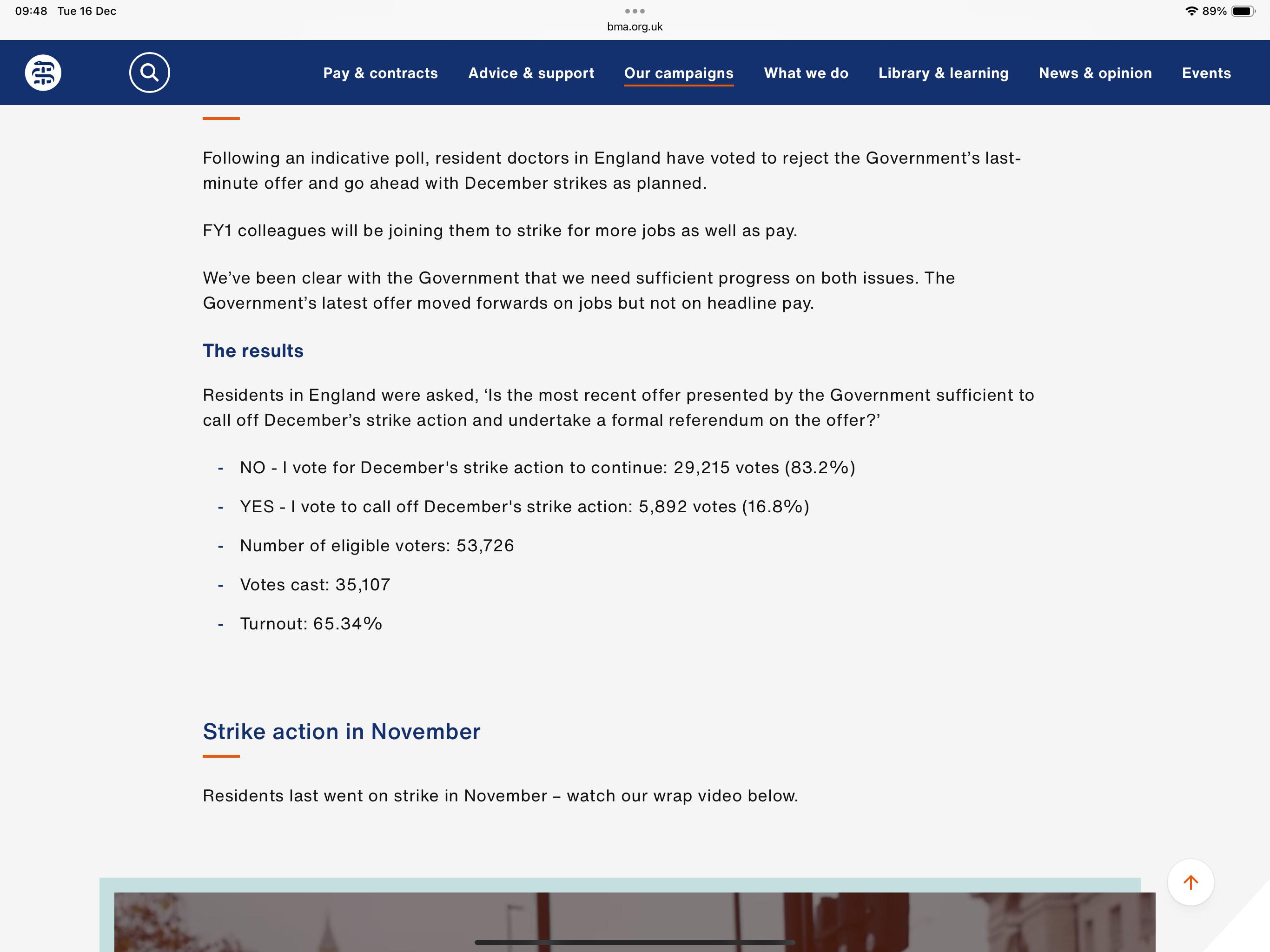
Although turnout in the online vote was only 65%, their leaders’ mandate to continue with this week’s strike action was an impressive 83%. It is evident that those BMA member resident doctors who bother voting are not yet tired of striking; nor inconvenienced by the loss of pay (which might be said to make the Government’s point).
The BMA statement read, “we’ve been clear with the Government that we need sufficient progress on both issues. The Government’s latest offer moved forwards on jobs but not on headline pay.”
The resident doctors’ cause and tactics are going down increasingly poorly with the general public, it seems.
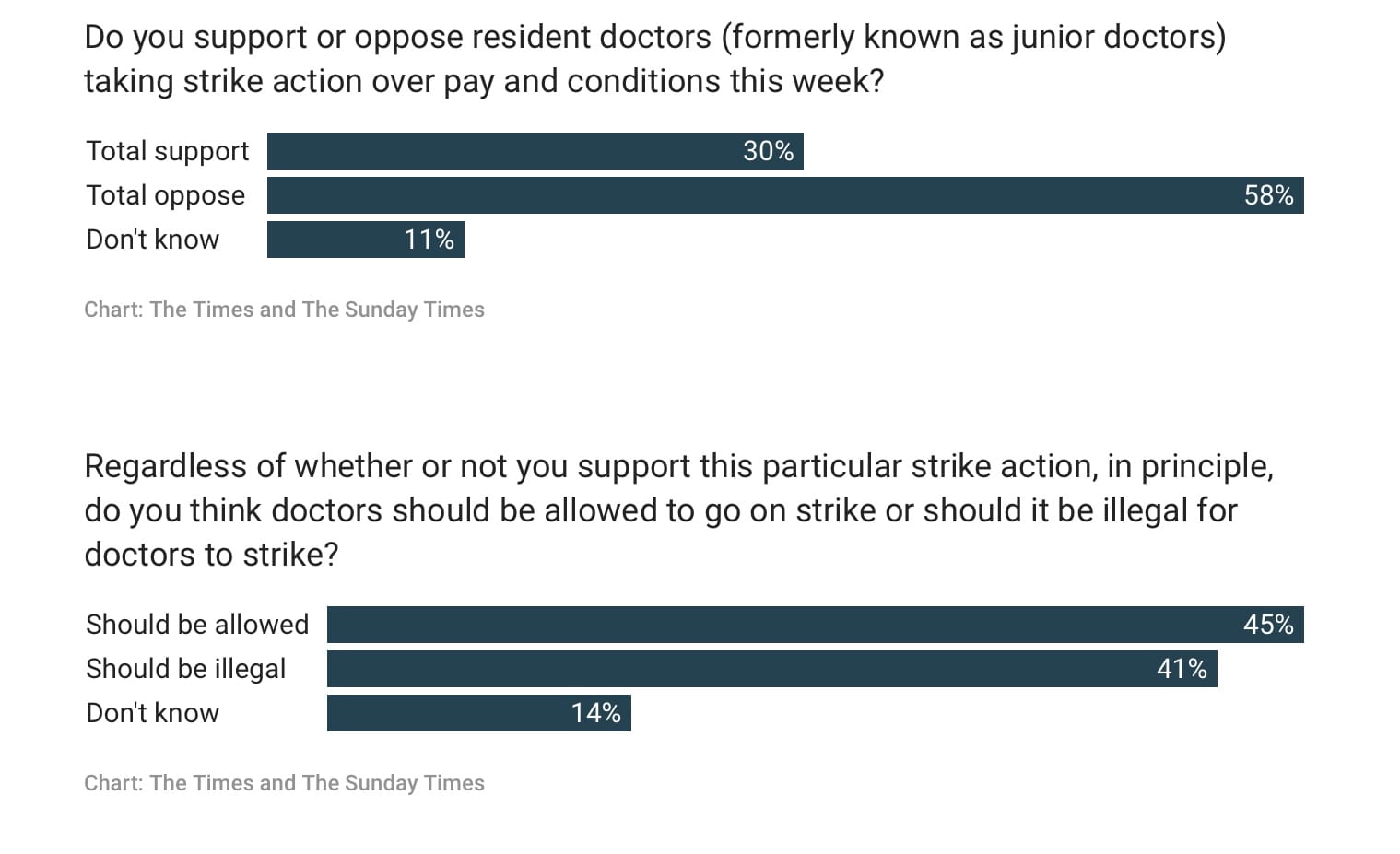
New polling by YouGov shared with The Times showed that 58% of those surveyed opposed the strike. It also found that while 34 per cent of survey respondents thought that junior doctors were not paid enough, 36 per cent said they were paid the right amount.
By a tiny margin, the respondents suggested that resident doctors and the BMA (30%) were more responsible for the strike action than the Government (29%), although neither category was that far ahead of ‘both equally’ (27%).
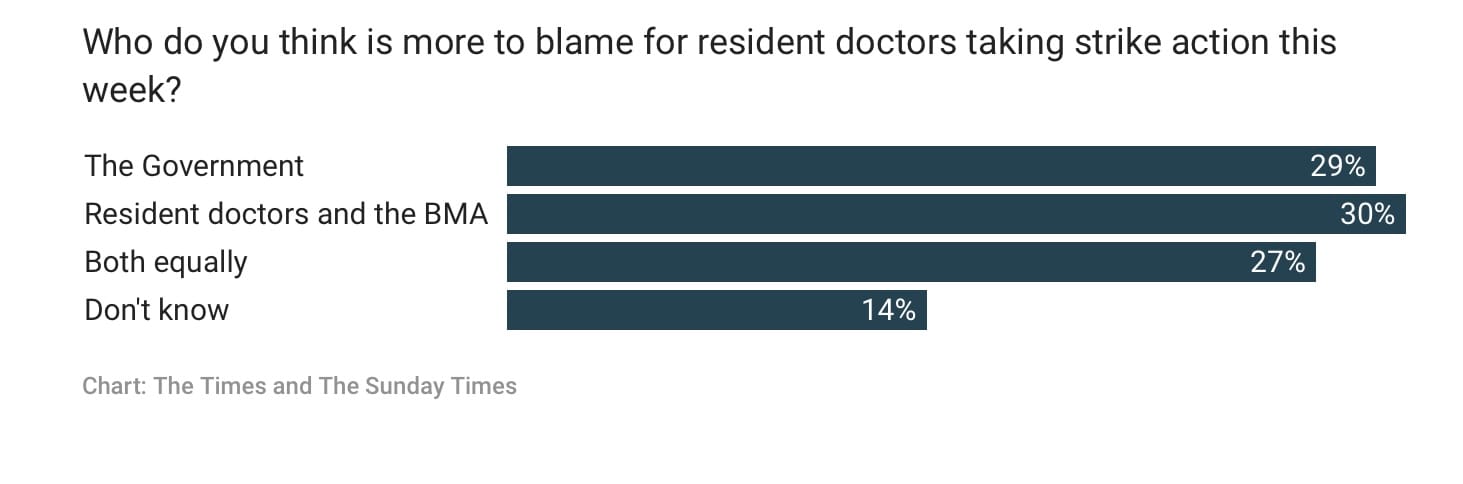
Now of course, the general public represented by this snapshot poll are not directly across the negotiating table from the BMA residents’ leaders. But they are there indirectly, which also matters.
 Full Fact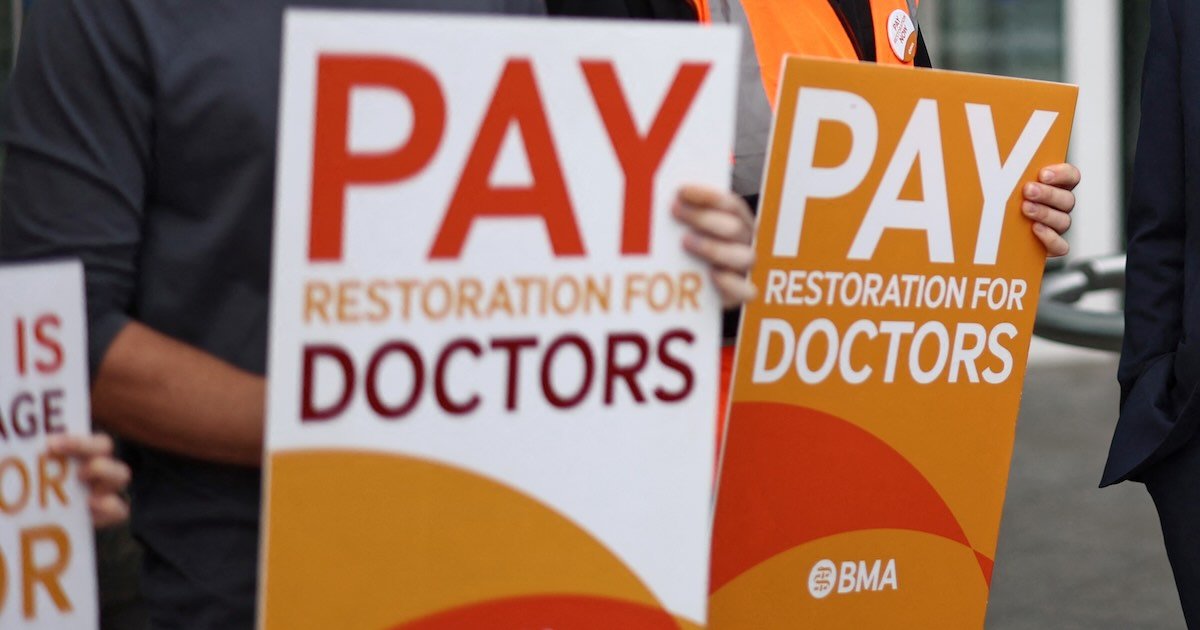
Possibly more damaging for the residents’ case for more cash is new research by FullFact using the Royal Statistical Society’s recommended methodology on inflation, which concludes that residents’ real-terms pay has declined by about 6-7% since 2008-9, rather than the 21% drop that is claimed by the BMA.
Secretary Of State For Health But Social Care Wes Streeting had already scraped the rhetorical bottom of the barrel with his hyperbolic condemnations of the residents’ strike in the face of ‘SuperFlu’(TM).
He told the Commons Health Select Committee on Wednesday that BMA member resident doctors’ industrial action is “ultimately a pay dispute. What they want is a 26 per cent rise in addition to the 28.9 per cent they’ve already had. And when I challenge them on the sort of time period over which that could be delivered, there’s just a gap, very wide gap, between BMA expectations and affordability.
“And there’s also a fairness thing here, which is I’m responsible for one and a half million staff in the NHS, not just doctors. I can’t go higher with with the BMA on resident doctors than I am with [other staff]. I do not think that would be fair.”
Mmmmmm. Mr Streeting also asserted to the Committee that “we have been protecting and increasing the public health grant”, which is a curious thing for him to suggest when Health Foundation research from February 2025 found that “the public health grant has been cut by 26% on a real-terms per person basis since 2015/16”.
Isn’t Young Master Wesley a little tinker with his claims?
Look at that good/bad/middling NHS organisation’s performance. Isn’t it interesting?
Elsewhere in that Commons HSC session, the topic of national disinterest in the underlying causes of poor and good NHS provider performance (on which these columns have written often) was given an airing, without any real sense of urgency about a solution.
 Matt Discombe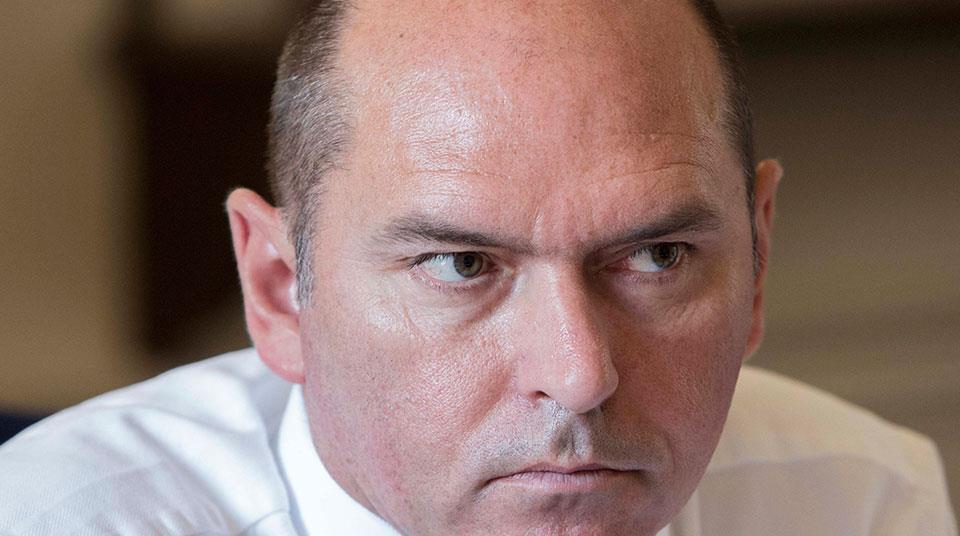
NHS England pro tem chief executive Interim Jim (Sir James Mackey to his family) told the MPs that when it comes “to a group of organisations that over the last 20 to 25 years has been a cause for concern for various reasons … generally a bit more remote, often coastal … our interventions haven’t really worked in those places.”
That is putting it remarkably mildly.
Interim Jim added, “There are sometimes systemic or structural issues that we’re not fully understanding. We’ll be having a discussion with Wes [Streeting] and the team in the new year about that.”
Ah: a discussion with Wes and the team.
And not just any old discussion, but one about systemic or structural issues.
Now I’m reassured.
Here’s the problem: we still haven’t got regulation in the English NHS anywhere near right, either of finance or quality. The Care Quality Commission was already a joke to many of those in the know by the middle of the last decade. I’m not alone in having been shown CQC reports which contained passages describing a hospital’s services when the hospital in question didn’t provide those services, and never had. Copy-and-paste reports were quite the thing.
Monitor was originally well-regarded as an economic gatekeeper and regulator, but when the Lansley reforms foolishly lobbed quality regulation into its remit, that vital clarity of purpose was diluted.
In 2015, I was writing about the Care Quality Commission’s move to regulate systems, rather than individual organisations; and, yeah: look at how brilliantly that went.
Yeah. Those were days.
This 2015 column of mine on money, power and ownership in the NHS also bears re-reading; as does this one on the future of tariff. And this one from 2014, on the future of commissioning.
(Blimey. I used to be quite good, actually.)
A constellation of shit regulatory Death Stars
 Emily Townsend
I’ve written about the regulatory approach of the mid-2010s era being like a constellation of regulatory Death Stars, which was certainly how many chief executives experienced them. I first coined that phrase in February 2015, in this column about market mechanisms in the English NHS.
As regulators’ remits were merged and/or power was accrued to NHS England, they became a constellation of shit regulatory Death Stars (without ever having been initially much good at the whole regulation piece).
So how might this change?
 Matt Discombe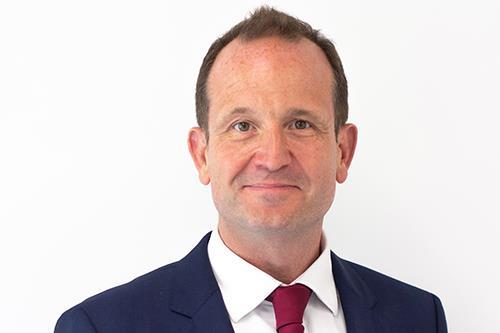
NHSE interim deputy CEO, UCLH’s well-regarded chief executive David Probert told Health Service Journal that his fellow executives atop NHSE have “tried to do is ensure that we are running the most transparent health service in the world … this is about transparency of message.”
This is a solidly good ambition - and it is also a long way from where NHS leadership has usually ended up. Now of course I’d be a fan of this intention, given that in 2014 I suggested that “communication has to be a top priority now money is tight. This probably involves a postmodern approach, such as in the Pompidou Centre, putting the workings on the outside so that all can see them.”
Here’s a further problem: transparency is usually uncomfortable. Those with long memories may think back to the London stroke reconfiguration under Ruth Carnall, or to Bruce Keogh’s campaign to publish cardiac surgeons’ outcomes data. Those were huge battles that had to be tenaciously fought to deliver greater transparency that led to higher quality.
There is also the pitfall of the ‘duty of candour’, with which the English NHS has not exactly engaged; not to mention the venerable line that “the main thing is honesty: if you can fake that, you’ve got it made”.
Ersatz transparency would be worse than none.
The Unbearable Triteness Of Streeting
As 2025 winds itself up, it is once again time to reflect on the hugely disappointing tenure in office of Health But Social Care Secretary Wes Streeting. After the arsehole jamboree parade of Health Secretaries who followed Jeremy Hunt, all that Young Master Wesley needed to do to shine by comparison was a) some homework on his brief, and b) be modestly competent.
Alas, he didn’t do the homework and he didn’t do the competence (or indeed the modesty). He outsourced all thinking to Alan Milburn, who has done such a strikingly brilliant job on the English NHS that he is now doing a review for the Government into youth mobility. Good luck, young people!
Streeting’s one solid achievement - spending a lot of the extra money Labour put in to end the resident doctors’ 2023-4 wave of strikes and shouting very loudly about having done so - was then largely undone by allowing the resident doctors’ better-founded complaints about career progression opportunities and unfairnesses and inflexibility in rotations to continue without any meaningful reform or remedy, fertilising the ground for the current resumption of industrial action.
He promised not to abolish NHS England just seven weeks before abolishing NHS England.

The national media‘s reaction to Young Master Wesley’s reasonably good communications ability and his achingly obvious prime ministerial ambition has led many political journalists and commentators to form the view of him as ‘next Prime Ministerial’ material, without paying a hint of attention to his actual delivery record in office. This is another telling sign of the quality of our national media.
The Times’ Patrick Maguire, who is better than many, first observed some time back that Mr Streeting risked becoming a Labour equivalent for 1980s Health Secretary John Moore: he got the job, came in highly over-rated as a self-styled ‘reformer’ and party leader/PM in waiting, and totally under-delivered. The comparison works fine so far.
 Patrick Maguire
Maguire’s latest piece on Young Master Wesley revisits the John Moore analogy, and says of Streeting that “there is no question that the future of the Labour Party and its ever-more tenuous claim on power is now in his hands, if not as a leader-in-waiting then as the health secretary whose day job will determine whether voters feel the change and national renewal Keir Starmer promised them last year.”
The auguries are not promising, with yet another NHS winter crisis, ongoing industrial action by the doctors and RTT waiting lists again going up.
Mr Streeting is a performer rather than a reformer, whose performances run the whole spectrum from the facile to the glib. It is wholly unclear that Team Milburn-Streeting have any actual understanding of why the performance of the English NHS is so poor, nor any convincing plans to drive and sustain improvements.
Wes Streeting has now been Health Secretary for 18 months: it just feels longer.
PS - Happy Christmas
Barring anything too horribly interesting happening, ‘Cowper’s Cut’ will take a break next week and return to the fray early in 2026. Here’s my end-of-year column from 2024, for interest.
Happy Christmas to you and yours.
Recommended and required reading
Everybody’s New Favourite Noble Baroness Michelle Mone-funding, unusable-PPE-supplying PPE Medpro has been formally wound up, the Financial Times reports.
Guardian piece on the all-year-round winter pressures at the Royal Stoke University Hospital.
Handy, brief Kings Fund explainer on the NHS budget - and another such from the Health Foundation.
Not directly about health/NHS, but likely to impact generational attitudes towards public spending: Financial Times data analysis on the rise of ‘zero sum’ politics on both the political left and right.
Applause for a new anti-clap antibiotic.
Nick Hulme’s done a sort of exit interview with Polly Toynbee, which is worth a read.
Dr John Brown, a GP who pioneered community minor surgery, has died: Times obituary.