Cowper’s Cut 439: Make NHS decentralisation grate again

There is no point in wasting any of our time together analysing various speculative articles in the national media (particularly the more rabid bits of it) on the specifics of new Prime Minister Andy Burnham’s plans for social care reform.
If The Mascara Kid actually has any fully-formed social care reforms plans, we can be sure that the Boris Johnson Fanzine in particular will be among the last to know.
So, onwards and sideways!
Centralising NHS, meet The Great Decentraliser
Recent weeks’ columns have largely been about the obvious tensions between Andy Burnham The Great Decentraliser and the government’s ‘NHS Modernisation’ legislation currently at Report Stage of the Commons, which is following the post-Hancock trend of monumentally re-centralising power with the Secretary Of State.
 Henry Anderson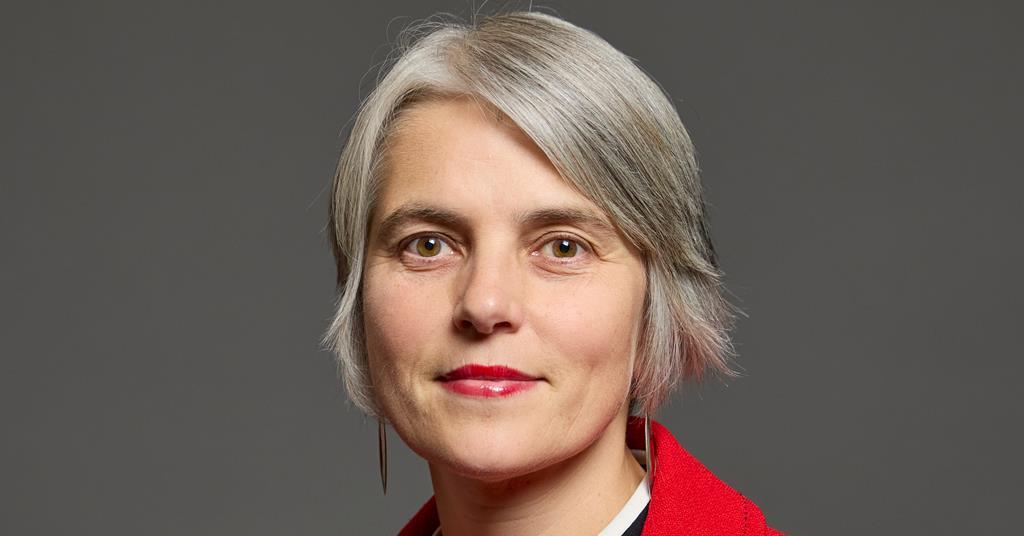
So it was satisfying to see the most health policy-literate MP, Shipley’s Anna Dixon (formerly of the Kings Fund), give a big interview this week to Health Service Journal to ram home this very dichotomy.
She even dares to use ‘The I Word’, ‘integration’: one which has fallen out of policy fashion since The Simon Stevens Era. Dixon told HSJ’s Henry Anderson that there is a risk that the government’s health reform bill would, if enacted into law as it stands, create “an NHS with no reference to how it would integrate with health and social care”.
Dixon also added that she did not understand the benefit of NHS England’s plan to move the Health Services Safety Investigations Body into the Care Quality Commission and said it “might put clinicians off being open”.
Centralisation is the new rock and roll
Ms Dixon has, unlike a lot of others whose actual jobs it has been to do so, actually bothered to think about the implications of the current wave of massively re-centralising power in the English NHS: “I don’t think there’s any problem with having large ICBs, as long as it’s clear what the place level, both provider groups and commissioning footprint is, and that that’s very closely linked in with local authorities.
“There’s always things that need doing right close to communities; there’s always things that are better done at a strategic level, particularly if they’re taking on parts of specialised commissioning and being more strategic.
“I think the question it leaves me is ‘what’s the role of the regional NHS?’ That seems to be a sort of hangover of a top-down performance management system, if we want more devolution and to be able to empower the integrated care boards.”
Yes, exactly.
And here is the problem.
The move to re-centralise power in the Department For Health But Social Care, and specifically with the Secretary Of State, started out in 2020-21 under then-SOS Matt Hancock. It happened because Mr Hancock got annoyed with then-NHSE chief executive Simon Stevens running rings around him in the system’s power politics.
Weirdly, the trend first manifested as centralising even more power into NHS England because Simon Stevens could quite rightly reply, ‘workforce / digital / innovation is not my responsibility’. So all of those things then got lumped into NHSE.
This caused an already over-mighty NHSE to become over-mightier still. Then, we got the ‘more Matt Hancock’ legislation proposals that effectively abolished NHS England’s independence in the 2022 Act. If Simon Stevens weren’t already certain to leave NHSE, having hung on to see through the Covid19 pandemic, it is unlikely that this would have motivated him to stay - nor indeed anyone else of his calibre.
There followed the tenure of Amanda Pritchard as NHSE chief executive.
Ms Pritchard genuinely thought that she was protecting system leaders and the NHS workforce against some particularly bone-headed Health Secretaries, which included Steve Barclay (twice); Dr Therese Coffey during the supernova tenure of Liz Of the Forty-Nine Days Truss; Sajid Javid; and Victoria Atkins.
Unfortunately, Amanda Pritchard’s version of prioritising - Everything Everywhere All At Once - did not lead to meaningful progress on NHS staff and performance recovery. When Team Pritchard tried some of the ‘not your statutory responsibility’ and similar previously-used blocking tactics on Team Alan Milburn, nominally led by Milly’s amaneuensis Young Master Wesley Streeting, it failed to wash like a cheap detergent. NHS England’s abolition became a done deal.
From the Department Of One Must Have A Heart Of Stone Not To Laugh
I am not going to start following former Health Secretary Young Master Wesley Streeting’s new adventures as Defence Secretary in any depth. Young Master Wesley had his entertaining moments as Alan Milburn's amaneuensis, but let’s face facts: he’s no Matt Hancock.
However, I will quickly reflect on this spectacular speech he gave at the Farnborough Air Show.
Young Master Wesley told an adoring military audience (ahem) that the sector must cut waste and maximise value for money.
Now where have we heard that before?
Yep. Milburn meets military.
The next thing you know, the military will be drinking in the Last Chance Saloon.
And then it’ll be time for the armed forces to ‘modernise or die!’
Recommended and required reading
The Times got the exclusive that Nottinghamshire Healthcare NHS Foundation Trust, which discharged the evidently dangerous and violent Nottingham 2023 triple-killer, is to be investigated for the criminal charge of corporate manslaughter.
The Financial Times covers news of the Office for Statistics Regulation (OSR) compelling NHS England to qualify its claims about the effectiveness of the Federated Data Platform software built by Palantir. Under OSR duress, NHS England agreed to add a key caveat to its main web page acknowledging key data does not prove Palantir’s effectiveness.
Something fishy this way comes: Liberal Democrat peer Lord Scriven challenges Jim Mackey to explain a “highly irregular” £300,000 exit payout to former integrated care board chief executive Gavin Boyle.
“Inquiries even fail in the most basic duty of holding the guilty to account. First of all, it usually proves very difficult to establish specific responsibility for decisions in a complex health system (as has long been known). Even if responsibility can be pinned to an individual, the guilty have usually long moved on by the time an inquiry has reported … Is there any compelling evidence that they transform NHS care in a meaningful way? There is not.” HSJ editor Alastair McLellan takes aim at the myth that inquiries into health and care tragedies actually deliver much. The diagnosis seems correct, but what is the effective treatment?